How to Spot a Folly: A Beginner's Guide to UK Sham Castles, Towers and Grottoes
You are walking a footpath in the Cotswolds when a small stone tower appears on a ridge, apparently serving no purpose at all. No church, no house, no road leading to it. That is usually the first clue. Follies are built to be looked at, not used, and once you know what to look for they become far easier to spot — and much harder to stop spotting. This guide covers the visual giveaways, the historical context and the oddities that trip up beginners.
What Actually Counts as a Folly
The word is slippery. In its broadest sense, a folly is a building that exists primarily for ornament, pleasure or display rather than practical function. Some were built as eye-catchers on an estate, designed to be seen from the big house or from a carriage drive. Others were follies in the sense of a wealthy owner's extravagant whim — a sham castle, a Gothic ruin built new, a tower that serves no purpose but to stand there.
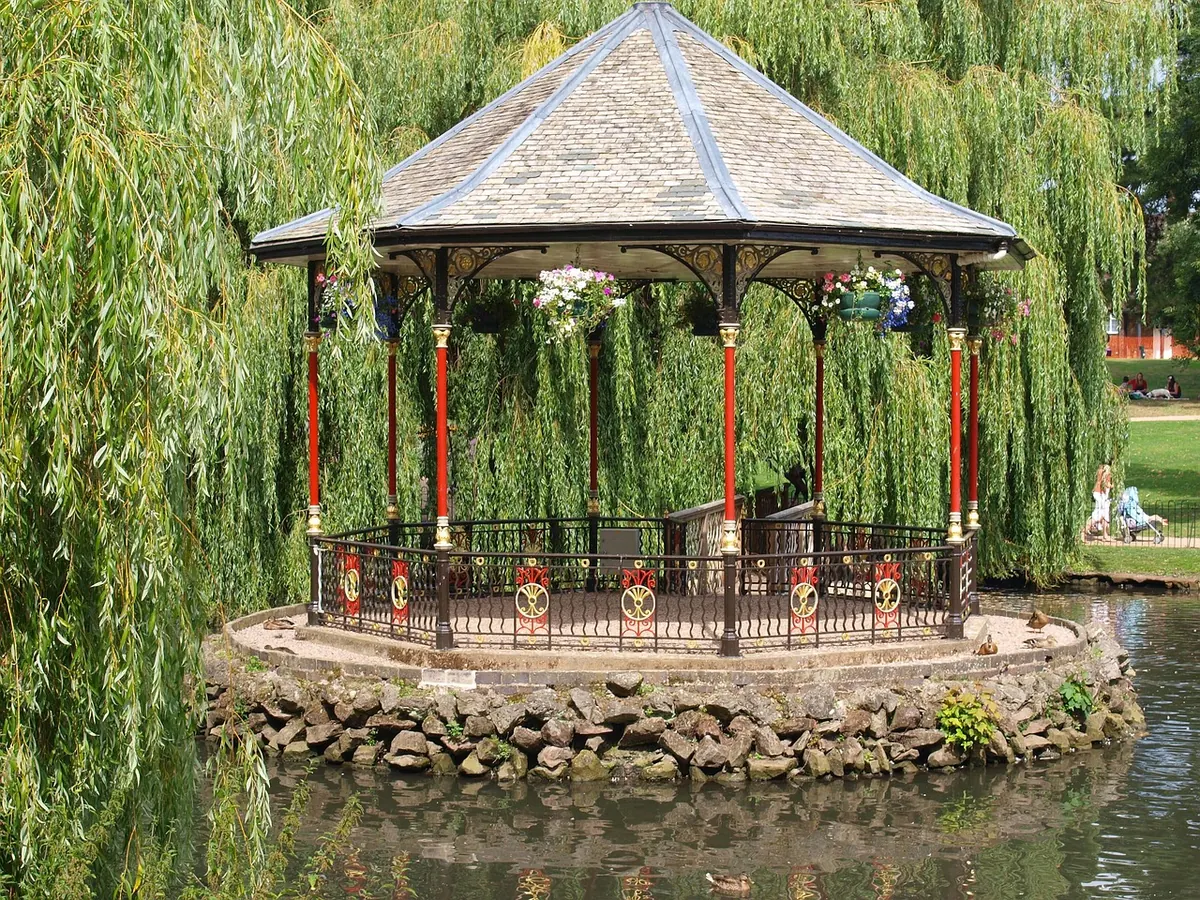
Purists argue about whether a building must be useless to qualify. A gazebo that shelters you from rain, or a tower you can climb for the view, is not strictly useless. But most people writing about follies include them, and so should you. The spirit of the thing matters more than the letter. If it was built to delight the eye, to make a statement, or to satisfy an eccentric whim, it belongs in the conversation.
The Visual Clues That Give a Folly Away
Experienced spotters work through a mental checklist. None of these is conclusive on its own, but two or three together are strong evidence.
- Deliberate ruination. Walls that stop mid-course, broken arches and tumbled masonry can be genuine ruins, but a folly ruin often looks too tidy — tumbled stones arranged just so, or a crumbling tower with a sound base and a neat door.
- Full-frontal design. Many follies are intended to be seen from one angle. Walk round the back and you may find a blank wall, a shallow façade or rough, unfinished stonework.
- Odd siting. Follies often sit on a ridge, at the end of an avenue or on a man-made mound. If a building seems to have been placed for your viewing pleasure, it probably was.
- Style out of time. A Gothic tower built in the 18th century, a classical temple in a 19th-century park, or a mock-medieval gatehouse with no wall attached.
- Scale that is slightly wrong. Follies play with proportion. A tower may be too slender, an arch too tall, a cottage too small to enter upright.
- No obvious practical role. No road, no water source, no defensive logic and no room for anything much inside.
Combine a few of these and you are almost certainly looking at a folly. A single clue on its own — a Gothic arch, say — might just be a church.
Setting and Landscape: Where Follies Hide
Follies cluster in particular places. Historic parkland is the richest hunting ground, especially estates with 18th-century landscaping. Capability Brown and his contemporaries moved earth, dammed streams and planted clumps of trees to create idealised views, and follies were part of that composition. A temple at the end of a lake, a ruined arch framing a vista, a grotto by the water — all were tools of the picturesque.
Hilltops are another favourite. A tower on a summit can be seen for miles and gives the estate a landmark. Headley, Broadway and Faringdon all have towers of this kind, each built to be admired from below. Coastal clifftops attract follies too, and some — like the shifting fortunes of Clavell Tower on the Dorset coast — have needed dramatic rescue as the sea ate the land beneath them.
Then there are the grand gestured follies: sham castles built to impress, eye-catchers designed to be glimpsed through trees, and buildings that were simply a rich person's way of saying they had arrived. The Triangular Lodge at Rushton, Northamptonshire, is perhaps the most obsessive example — every element in threes, built by a recusant Catholic gentleman in the late 16th century. It is not a folly in the useless sense, but it is pure eccentric statement.
A Rough Timeline: When Was It Built?
Follies span several centuries, and the date helps you understand what you are looking at.
- 16th and 17th centuries. Rare, and often tied to status or religious statement. The Triangular Lodge and early prospect mounds belong here.
- Early 18th century. The great age of garden buildings begins. Classical temples, grottoes and eye-catchers appear in the new landscaped parks.
- Later 18th century. Gothic revival and the picturesque take hold. Sham castles, ruined abbeys and towers multiply.
- 19th century. Follies become more personal and sometimes frankly eccentric. Towers, obelisks and mock fortifications are built for the pleasure of building them.
- 20th century onwards. Genuine follies become rare, but the tradition continues in garden follies and occasional new towers.
Knowing the period narrows the field. An elaborate Gothic ruin is unlikely to be 17th century, and a plain classical temple is unlikely to be Victorian.
Follies That Fool: Common Misidentifications
Beginners often misread three things. The first is genuine ruins — medieval castles and abbeys really do look like follies until you check whether the walls make sense defensively or liturgically. The second is functional structures with a decorative look: water towers, windmills converted to houses, and estate buildings dressed up in Gothick trim. The third is modern pastiche — a new-build sham castle on a housing estate is a marketing device, not a folly in the historic sense, though it can still be fun to spot.
The test is not "is it old?" but "was it built to be enjoyed rather than used?"
If you are unsure, local history societies and county records offices are your friends. Many follies have a paper trail — estate maps, diaries, building accounts — that confirms what the building was for.
How to Start Spotting Follies This Weekend
Pick a historic park near you and walk it with fresh eyes. Look for buildings that frame a view, sit at the end of a path or seem placed for your benefit. Take photographs from several angles, note the setting and check the details against the clues above. Ordnance Survey maps sometimes label follies outright, and historic garden registers list many more. Keep a note of what you find — half the pleasure of folly-spotting is building your own list, one odd little tower at a time.
Photo: ChiemSeherin / Pixabay